The Ethics of AI: Navigating the Moral Maze
A discussion on the ethical challenges posed by artificial intelligence and how we can address them.



The Moral Machine
A New Set of Rules
As artificial intelligence becomes more powerful and autonomous, it raises a host of ethical questions. How do we ensure that AI systems are fair and unbiased? Who is responsible when an AI makes a mistake? How do we prevent AI from being used for malicious purposes?
These are not easy questions to answer, but they are questions that we must address if we are to build a future where AI is a force for good. This article explores some of the key ethical challenges posed by AI and discusses some of the ways that we can navigate this complex moral maze.
Bias in, Bias out
One of the biggest ethical challenges in AI is the problem of bias. AI systems learn from data, and if that data is biased, the AI system will be biased as well. This can have serious consequences, particularly in areas like criminal justice and hiring, where biased AI systems can perpetuate and even amplify existing inequalities.
There are a number of ways to address the problem of bias in AI. One is to use more diverse and representative datasets. Another is to use techniques like fairness-aware machine learning, which can help to mitigate bias in AI models. Ultimately, however, addressing bias in AI will require a combination of technical solutions and a commitment to fairness and equity.
Related Sectors
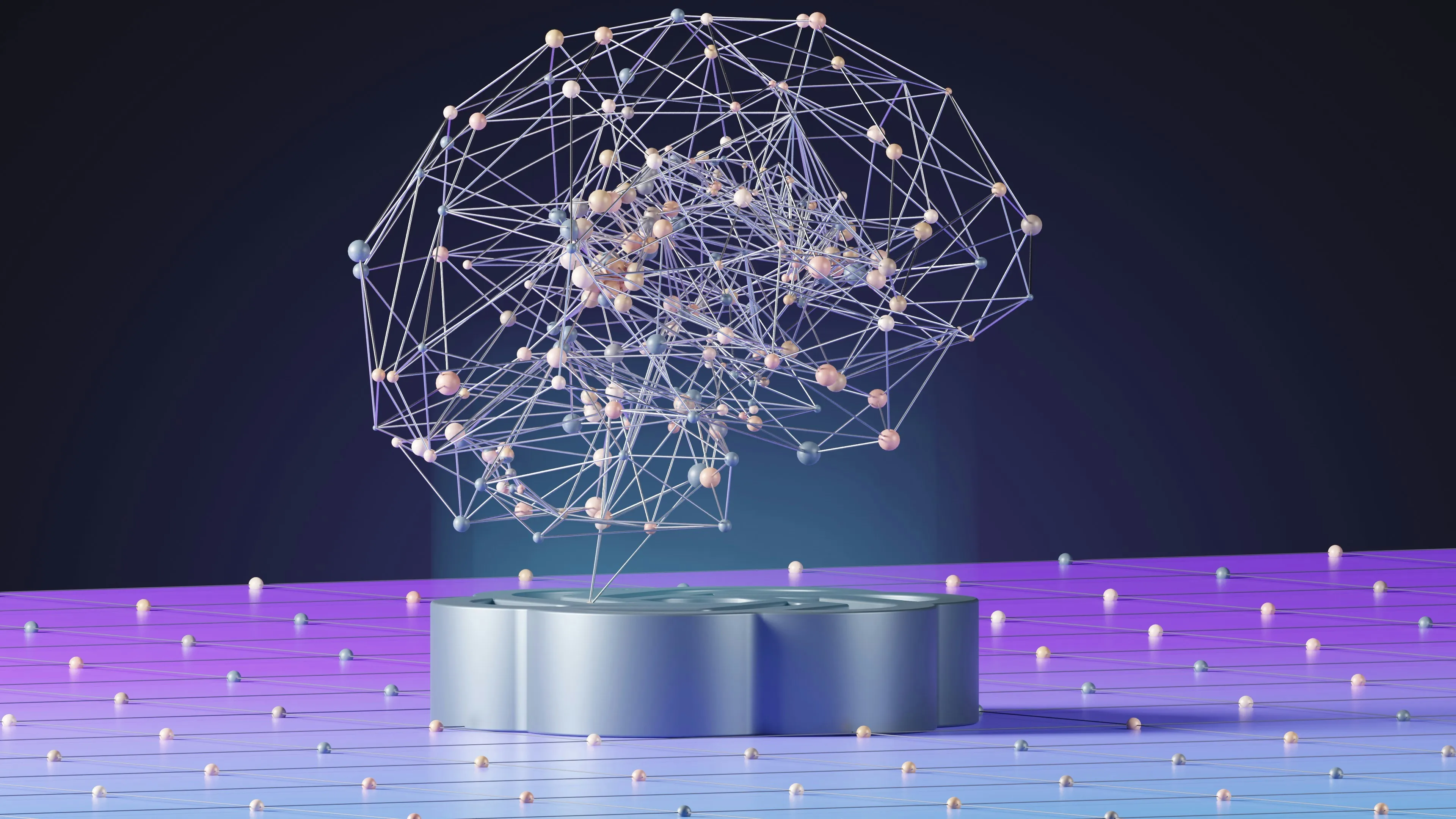
AI
Artificial Intelligence (AI) is a rapidly evolving sector focused on creating systems that can perform tasks requiring human-like intelligence, such as learning, reasoning, and problem-solving.

Healthcare
The healthcare sector comprises a wide array of services, from hospitals and clinics to medical device manufacturing and pharmaceuticals. It is a vital sector that touches everyone's lives.

Finance
The finance sector encompasses a broad range of activities, including banking, investment, insurance, and real estate. It is the backbone of the economy, facilitating capital flow and enabling growth.